
Einkorn Pancakes: 7 Recipes Worth Trying This Weekend
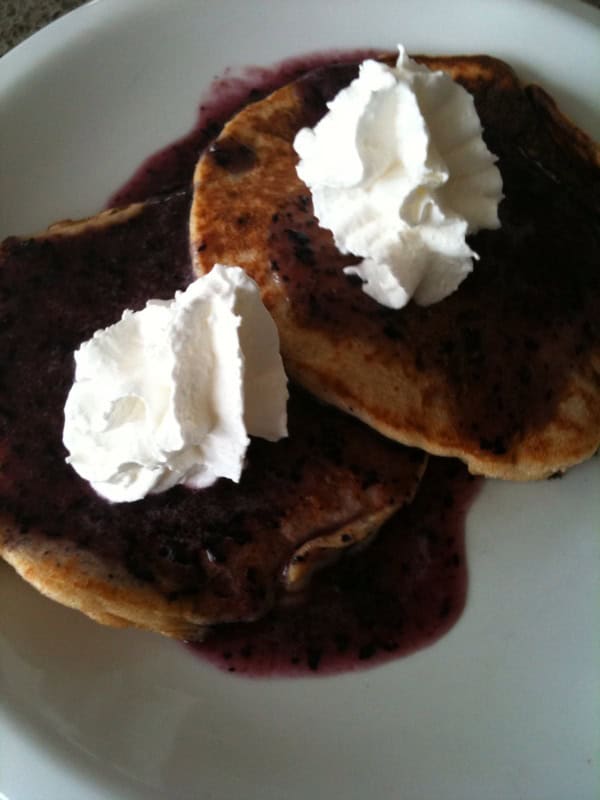
When you flip your first einkorn pancake, you’ll notice something immediately: the color. It’s deeper, warmer, almost golden—not the pale tan of conventional wheat. The aroma hits differently too. There’s an underlying nuttiness, a subtle sweetness that emerges from the griddle. And the texture? Tender, almost delicate, without the thick chewiness you might expect from a whole grain pancake.
This is what makes einkorn pancakes such a compelling choice for weekend breakfast. They’re not just a dietary alternative or a trendy swap. They’re genuinely different—and for many people, genuinely better. Einkorn isn’t difficult—it’s just different.
We’ve compiled seven of the best einkorn pancake recipes available, each offering its own approach to capturing the unique qualities of this ancient grain. Whether you’re working with fresh-milled einkorn flour, whole berries, or a sourdough starter, there’s a recipe here that will help you discover what makes einkorn pancakes worth the weekend commitment.
The 7 Einkorn Pancake Recipes
1. Einkorn Blender Pancakes
This is the star of the einkorn pancake world, and for good reason. The Einkorn Blender Pancakes recipe stands apart because it approaches the problem differently: instead of milling einkorn berries into flour first, you blend whole berries directly into your batter.
Here’s what makes this method remarkable. When you blend whole einkorn berries with water, you’re creating a slurry that contains the entire grain—bran, germ, and endosperm—in its most intact form. The bran breaks down into small particles during blending, but it’s not being sifted out or separated. Everything stays in the batter. This means you’re capturing maximum nutrition and maximum flavor in every bite.
The result is pancakes with a distinctly different texture than flour-based recipes. They’re slightly grainier, but in a pleasant way—you can taste the grain itself rather than just the refined starch that flour becomes. The color is deeper and more complex. The flavor has more presence. Many people who try blender pancakes once find themselves going back to this method repeatedly.
This recipe is also incredibly practical for batch cooking. It makes approximately 30 pancakes, which means you can mix once and have breakfast for multiple mornings if you freeze the extras properly. The batter is stable and stores well, which we’ll discuss in detail later.
The blender method does require one piece of equipment—a high-powered blender that can break down whole berries effectively. Most modern blenders handle this easily, but if your blender struggles with nuts or seeds, this recipe might not be ideal for you.
2. Einkorn Pancakes
The Einkorn Pancakes recipe is the foundation, the classic approach. If you’re new to einkorn pancakes and want to start with something straightforward and familiar, this is your entry point.
This is a traditional pancake recipe that swaps conventional wheat flour for einkorn flour. No sourdough starter, no whole berries, no protein powder—just the basics. Fresh einkorn flour, eggs, milk, butter, leavening, and salt come together into a pancake batter that showcases the grain itself.
What you’ll notice immediately is how much easier this recipe is to execute than many einkorn recipes. If you can make regular pancakes, you can make this version. The main adjustment—and we cannot overstate this—is using lower heat. That’s it. Everything else feels natural.
This recipe is ideal for people who want to experience einkorn but aren’t ready to invest in whole berries or maintain a sourdough starter. It’s also the recipe we recommend if you’re testing einkorn for the first time. It gives you the clearest window into what einkorn tastes and cooks like without additional variables.
The pancakes from this recipe are tender and delicate, with that signature einkorn color and subtle nutty flavor. They’re perfect plain, or dressed up with your favorite toppings.
3. Einkorn Sourdough Pancakes
If you keep a sourdough starter, the Einkorn Sourdough Pancakes recipe opens up an entire category of flavor possibility. Sourdough starter—whether it’s your main baking culture or discard you’d otherwise throw away—ferments overnight in your pancake batter, developing tanginess and complexity that you simply can’t create any other way.
The fermentation process does something special to einkorn flour. The natural yeasts and bacteria in your starter break down some of the starches and proteins, creating a batter that’s more digestible and flavorful. The tangy notes complement einkorn’s natural sweetness perfectly—they don’t compete, but rather they balance each other.
This recipe is phenomenal for sourdough discard use. If you’re maintaining a starter for bread, you’re regularly discarding some of it. Rather than letting that go to waste, you can build it into pancake batter and have breakfast the next morning. It’s one of the most practical ways to use discard.
The overnight fermentation does mean you need to plan ahead. Mix your batter before bed, let it ferment at room temperature overnight, and cook the next morning. This isn’t a quick weeknight pancake solution, but it’s worth planning for weekend mornings.
One note: sourdough adds moisture to the batter through the starter culture. The recipe accounts for this, but you may find you need to adjust the liquid content slightly depending on how wet your starter is. This is normal and easy to dial in after your first batch.
4. Einkorn Protein Pancakes
For people who are active—runners, CrossFit athletes, weight lifters, anyone who prioritizes protein intake—the Einkorn Protein Pancakes recipe offers a more nutrient-dense option that doesn’t sacrifice einkorn’s characteristic tenderness and flavor.
This recipe adds protein powder to the mix, boosting the protein content significantly without requiring eggs or other high-protein ingredients to dominate the flavor profile. The result is pancakes that feel substantial and satisfying, the kind of breakfast that actually keeps you full through a workout or active morning.
Protein powder does change the texture slightly. Pancakes from this recipe tend to be a bit denser than straight flour recipes—but still tender, still einkorn. The protein also means these pancakes have a bit more chew to them, which many people appreciate.
Choose your protein powder thoughtfully. Vanilla or unflavored powder integrates most seamlessly into the einkorn base. If you use a flavored powder—chocolate, strawberry, etc.—you’re adding flavor that will interact with einkorn’s natural sweetness. That can be wonderful or overwhelming depending on your taste. Start conservative with flavored powders and adjust in future batches.
This recipe is also popular among people managing blood sugar or looking for more sustained energy. The protein content means these pancakes won’t cause the same quick spike and crash that pure carbohydrate pancakes might.
5. Einkorn Buttermilk Pancakes
There’s something classic and appealing about buttermilk pancakes. The Einkorn Buttermilk Pancakes recipe brings that tradition to einkorn, creating pancakes with a tangy note that plays beautifully against einkorn’s subtle sweetness.
Buttermilk—or its substitute, milk combined with lemon juice or vinegar—reacts with baking soda to create extra lift and a tender crumb structure. The acid in the buttermilk also tenderizes the gluten, meaning these pancakes come out exceptionally delicate. For people who love tender, almost fluffy pancakes, this approach is worth exploring.
The buttermilk also brings a subtle tang that grounds einkorn’s sweetness. If you’ve tried other einkorn pancake recipes and found them slightly too sweet, this version might be exactly what you’re looking for. The tang doesn’t overwhelm—it whispers in the background—but its presence shifts the flavor profile noticeably.
This recipe is straightforward to make. Most home cooks have access to buttermilk, or can easily create a substitute. If you don’t have buttermilk on hand, the recipe will tell you how to make it from regular milk. No special equipment, no advance planning, just classic technique applied to einkorn.
6. Einkorn Gingerbread Pancakes
Pancakes don’t have to be plain, and the Einkorn Gingerbread Pancakes recipe proves it. This version combines warm spices—ginger, cinnamon, cloves, perhaps nutmeg depending on the recipe—with einkorn flour to create pancakes that taste like fall, like holidays, like comfort.
These pancakes work beautifully as a seasonal offering. Serve them in autumn and early winter, when spiced flavors feel appropriate and cinnamon-scented mornings feel exactly right. But honestly, there’s no food police stopping you from making gingerbread pancakes in July if that’s what calls to you.
What’s interesting about adding spices to einkorn pancakes is that the spices play off einkorn’s natural complexity. Rather than the ginger and cinnamon fighting for attention, they layer with einkorn’s nuttiness and create something more interesting than either element alone. The spices feel integrated, not added on top.
Gingerbread pancakes are also wonderful for special occasions. They feel slightly elevated from basic breakfast, which makes them a fun choice for weekend mornings or holiday brunches. Top them with whipped cream and a drizzle of maple syrup, or keep it simple—the pancakes themselves have enough flavor to stand on their own.
7. Einkorn Pumpkin Pancakes
Fall flavor, executed through pancakes: that’s the Einkorn Pumpkin Pancakes recipe. Pumpkin puree adds moisture, body, and earthy sweetness to the batter, creating pancakes that are slightly denser and more substantial than basic recipes, with a subtle autumn flavor that doesn’t require you to wait until October to enjoy them.
Pumpkin puree is also a smart ingredient from a nutritional perspective. It adds fiber, vitamin A, and other nutrients while adding minimal calories. The moisture it provides means the pancakes stay tender even with slightly higher cooking temperature.
This recipe typically includes warm spices that complement both pumpkin and einkorn. The result is pancakes that taste intentional, developed, like someone put thought into what flavors belong together. Which, of course, someone did.
Pumpkin pancakes freeze beautifully, which means they’re perfect for batch cooking. Mix the batter once, cook a full griddle’s worth of pancakes, and you have breakfasts ready to reheat for the next several mornings.
One practical note: pumpkin puree varies in consistency depending on the brand and whether you’re using fresh puree or canned. The recipe will account for standard canned pumpkin, but if you’re using fresh puree or a particularly wet or dry brand, you may need to adjust liquid content slightly. It’s a minor tweak that becomes intuitive after your first batch.
Why Einkorn Makes Exceptional Pancakes
Before diving into the recipes, it’s worth understanding why einkorn is so well-suited to pancake-making in the first place. This isn’t marketing—it’s grain chemistry working in your favor.
Einkorn wheat berries are one of humanity’s oldest grains, domesticated roughly 10,000 years ago and cultivated much the same way ever since. Before modern wheat breeding reshaped the crop into something entirely different, einkorn fed countless civilizations. Today, it’s making a quiet return, not as a trend but as a way to reconnect with whole, nourishing food.
The Gluten Advantage
Modern wheat was bred over decades to develop strong, elastic gluten networks. This is wonderful for bread-making—it creates the structure that gives bread its rise and chew. But for pancakes, that strength works against you. Overmix pancake batter, and conventional wheat develops toughness. You end up with dense, rubbery pancakes.
Einkorn’s weaker gluten structure flips this equation. The gluten is still present—einkorn is not gluten-free—but it’s less aggressive. This means your einkorn pancake batter is more forgiving. You can mix with less precision. You’re less likely to overdevelop the gluten and create that undesirable toughness. The result is naturally tender, delicate pancakes that almost melt on your tongue.
This forgiving quality is one reason einkorn pancakes appeal to so many home cooks. You don’t need perfect technique. The grain itself works with you.
Flavor and Natural Sweetness
Hold a handful of einkorn berries from our mill, and you’re holding the complete grain: bran, germ, and endosperm all intact. That wholeness matters. Einkorn contains higher levels of carotenoids and beta-carotene—compounds that contribute to both the golden color you see in the finished pancakes and a subtle, natural sweetness that you taste.
This sweetness isn’t cloying or artificial. It’s gentle, understated, like the difference between honey and refined sugar. It means your pancakes have depth of flavor even before toppings enter the equation. Many einkorn pancake recipes actually call for less added sweetener than conventional pancake recipes, because the flour itself brings sweetness to the table.
This flavor dimension is especially pronounced when you’re using freshly milled einkorn flour. The bran, germ, and all the nutrients and compounds they contain are still active and vibrant. As flour sits on a shelf for months, those compounds break down. Fresh einkorn flour tastes noticeably better—more complex, more alive.
Brown Faster, Cook Differently
Einkorn pancakes brown more readily than conventional wheat pancakes. This happens partly because of the carotenoids and compounds we just discussed, and partly because of how einkorn’s proteins interact with heat. The upside: beautiful, evenly browned pancakes with minimal effort. The downside: you need to pay attention to heat.
Cook your einkorn pancakes on the same temperature you’d use for conventional pancakes, and you’ll likely end up with pancakes that are dark on the outside but underdone in the middle. The solution is simple—lower the heat. This also gives the interior more time to set before the exterior browns further. It’s not a complicated adjustment, but it matters.
Fresh Milling Makes a Difference
Every bag of einkorn flour we mill carries a mill date. This isn’t a marketing detail—it’s practical information. Flour, especially whole grain flour, degrades over time. The bran contains oils that oxidize. Nutrients decline. Flavor fades.
When you use freshly milled einkorn flour, you’re working with grain at its nutritional and flavor peak. This matters for pancakes, where you’re not masking the flour with long cooking times or complex flavor combinations. You want that nutty, sweet einkorn character to shine.
If you’re buying einkorn flour, look for a mill date. Use it within a few months if possible, and store it in a cool place—ideally the freezer. This isn’t fussy; it’s respecting the grain.
General Tips for Einkorn Pancakes
These principles apply across nearly all einkorn pancake recipes. They’re not rules—einkorn is forgiving enough to let you get away with breaking most of them. But following these guidelines will consistently give you better results.
Heat Control Is Your Primary Tool
Lower your griddle or pan temperature compared to what you’d use for conventional wheat pancakes. Medium to medium-low is often the right range. You’re looking for a temperature where the pancake sets slowly, giving the interior time to cook through while the exterior develops a gentle golden-brown color.
How do you know if your heat is right? The pancake should take about 2-3 minutes on the first side before bubbles form across the top surface. When you flip, the second side should take about 1.5 to 2 minutes to finish cooking. If pancakes are browning darkly in under a minute, your heat is too high. Lower it.
This slower cooking also gives you time to see what’s happening. You can catch undercooked spots and adjust before they become problems.
Don’t Overmix, But Einkorn Is Forgiving
For conventional pancake recipes, overmixing is the enemy. It develops gluten and creates tough pancakes. For einkorn pancakes, overmixing is still something to avoid—but einkorn is much more forgiving if you do.
Mix your dry ingredients together. Make a well in the center and add your wet ingredients. Stir until just combined. A few small lumps are fine—better than overdoing it. The batter will come together more as it rests.
Because einkorn’s gluten is less aggressive, you can actually get away with slightly more mixing than you could with conventional wheat. It’s still not an invitation to beat the batter, but it means you don’t need to be as precious about technique.
Let Your Batter Rest
After mixing, let your pancake batter rest for 5-10 minutes before cooking. This resting period allows the flour to fully hydrate, helps the leavening agents (baking powder, baking soda) distribute evenly, and actually helps the gluten relax—counterintuitively giving you more tender pancakes.
With einkorn, this rest period feels especially important. The flour is absorbing water slightly differently than conventional wheat would. That 5-10 minutes is when everything settles into its final texture.
Fresh Flour Tastes Better
If you have the choice between flour milled this month and flour milled six months ago, choose the fresh flour. The taste difference is real and noticeable. Einkorn’s natural sweetness and nuttiness are most pronounced in fresh flour.
We mill our einkorn flour fresh and include a mill date on every bag specifically so you can know how fresh it is. If you’re sourcing einkorn flour elsewhere, ask about mill dates. It’s a question that separates mills that care about quality from those that don’t.
Adjust Sweetness to Your Taste
Because einkorn flour brings natural sweetness, you may find you prefer less added sugar or honey than conventional pancake recipes call for. Start with the amount a recipe suggests, but be prepared to dial it down if your pancakes taste too sweet.
This is especially true if you’re using honey or maple syrup as your sweetener. Einkorn’s natural sweetness and these liquid sweeteners can combine into something almost cloying if you’re not careful.
Keep Your Griddle at Even Temperature
If you’re using a stovetop skillet or griddle, spend a moment letting it heat evenly. Uneven heat means some pancakes cook faster than others. A quick tip: once you think your griddle is ready, place it back on the burner for another 30 seconds. This ensures the temperature has equilibrated across the entire surface.
If you’re using an electric griddle, let it sit for a full minute after reaching your target temperature before you start cooking. The heating element inside needs time to stabilize.
Einkorn Flour Versus Whole Einkorn Berries for Pancakes
Two of our recipes—the blender pancakes and the traditional flour-based recipes—represent two different approaches to using einkorn for breakfast. It’s worth understanding the difference so you can choose what makes sense for your kitchen and your preferences.
Whole Einkorn Berries
When you blend whole einkorn berries into your pancake batter, you’re using the grain in its most complete form. The bran, germ, and endosperm stay together. Nothing is sifted out. This means maximum nutrition, maximum fiber, and maximum contact with the grain in its whole state.
The flavor from whole berries is also more pronounced. When you’re chewing the pancakes, you can taste and feel the grain texture slightly. It’s not gritty—modern blending technology is too effective for that—but it’s present. Some people find this texture and flavor presence wonderful and authentic. Others find it slightly less refined than flour-based pancakes.
Whole berries also require a high-powered blender. If you don’t have one, this approach isn’t available to you.
Einkorn Flour
When einkorn berries are milled into flour, the process breaks down the grain structure and creates a finer, more uniform product. The flour still contains the bran and germ—true einkorn flour is whole grain flour—but everything is in smaller particles that blend more thoroughly into the batter.
The result is pancakes with a more refined texture, a smoother crumb, and a more integrated flavor. Einkorn flour pancakes don’t taste of grain in the way whole berry pancakes might—they taste like pancakes made from a superior flour. The nuttiness and subtle sweetness are there, but they’re woven throughout rather than present as separate textural elements.
Flour-based recipes also offer more flexibility. You can combine einkorn flour with other flours if you choose. You can store it longer (though not indefinitely). You can use it in other baking applications beyond pancakes.
Which Should You Choose?
If you have a high-powered blender and want maximum nutrition and the most direct contact with whole grain, the blender pancakes approach is worth exploring. If you don’t have a blender, or if you prefer the texture of traditional pancakes, flour-based recipes are your path. Neither is objectively better—they’re different approaches that serve different needs and preferences.
Many people end up making both at different times, using the flour-based recipes for everyday mornings and the blender version for weekend batch cooking and freezing.
Make-Ahead and Freezer Tips
One of the best-kept secrets about pancakes is how well they freeze and reheat. This is especially true for einkorn pancakes, which maintain their tender texture through the freeze-thaw cycle beautifully.
Batter Storage
Most einkorn pancake batters will keep in the refrigerator for 24 hours. Keep the batter in a sealed container, and stir briefly before using. The batter may thicken slightly as it sits—this is normal. You can thin it with a tablespoon or two of milk if needed.
Some recipes—particularly sourdough pancakes—actually improve after an overnight rest. The fermentation continues slowly in the fridge, developing more complex flavor by morning.
Don’t store batter longer than 24 hours. The leavening agents lose effectiveness over time, and you’ll end up with flatter pancakes.
Freezing Cooked Pancakes
Cook your pancakes as you normally would, let them cool on a wire rack for a few minutes, then lay them flat on a baking sheet and freeze for at least two hours. Once frozen solid, transfer them to a freezer bag or airtight container. They’ll keep for up to three months.
To reheat, place frozen pancakes directly on a toaster oven rack at 350°F for about 5-7 minutes, or pop them in a regular toaster on a lower setting. Microwave reheating works but can make pancakes slightly rubbery—the toaster oven method preserves texture much better.
Many people cook a double or triple batch on Sunday, freeze most of them, and have easy breakfasts throughout the week. It’s a powerful time-saving strategy that doesn’t sacrifice quality.
Bulk Batter Freezing
If you make the blender pancakes recipe (which yields about 30 pancakes), you can freeze the prepared batter itself. Portion the batter into ice cube trays, freeze until solid, then transfer cubes to a freezer bag. One or two cubes of batter defrosts quickly and can be cooked fresh whenever you want pancakes.
This works less well with flour-based batters that contain baking powder or baking soda, as the leavening will lose effectiveness during freezing. But for blender batters, which often use less conventional leavening, it’s a practical option.
Frequently Asked Questions
Can I substitute einkorn flour 1:1 for regular wheat flour in pancake recipes?
Yes, mostly. Einkorn behaves slightly differently—it absorbs water at a different rate, and the gluten structure is weaker—but for pancakes, 1:1 substitution works. You may find you need slightly less liquid, or you may prefer slightly lower cooking heat. But you can absolutely use einkorn flour as a straight substitute. Start with 1:1 and adjust from there based on how your first batch turns out.
Are einkorn pancakes gluten-free?
No. Einkorn contains gluten. It’s a wheat variety. If you need gluten-free pancakes, einkorn is not the answer. People sometimes confuse “ancient grain” with “gluten-free,” but they’re entirely different categories. Learn more about gluten in einkorn
Should I use whole grain einkorn flour or all-purpose for pancakes?
For maximum flavor and nutrition, use whole grain einkorn flour. That’s where einkorn’s character shines. However, if someone in your household prefers lighter, less nutty pancakes, whole grain einkorn flour might feel too intense. You could experiment with mixing whole grain and refined einkorn flour, or use all-purpose if available. But the whole grain version—that’s where the real einkorn experience lives.
Why are my einkorn pancakes flat or dense?
Usually, one of three things: your heat is too high (pancakes set too quickly on the outside, don’t rise properly), your batter is overmixed (gluten overdeveloped, even with einkorn’s forgiving nature), or your leavening is old or you used less than the recipe called for. Try lower heat first. That solves most issues. If that doesn’t help, check your baking powder or baking soda expiration date.
I tasted a bitter note in my einkorn pancakes. What caused it?
Bitterness typically comes from cooking temperature that’s too high. Einkorn browns faster than conventional wheat, and if your heat is too high, the exterior burns slightly before the interior cooks. This creates a burnt or bitter flavor. Lower your heat for your next batch. You should see a noticeable improvement.
Can I mix einkorn flour with regular all-purpose flour?
Yes, absolutely. Some people do 50/50 blends to get einkorn character while maintaining some of the familiarity of conventional wheat. You can use any ratio that works for your taste. Start with 50/50 and adjust based on flavor and texture preference.
Where does your einkorn come from?
Our einkorn is grown and milled on our family farm in Idaho. We’re a sixth-generation grain farm, and we’ve dedicated an entire mill exclusively to einkorn so there’s zero cross-contamination with other grains. Every bag includes a mill date so you know exactly when it was milled. We test regularly for glyphosate, and all our einkorn is USDA Organic certified. When you’re buying einkorn, know where it comes from. It matters.
Start Your Weekend Breakfast Here
Einkorn pancakes are a small decision that can genuinely improve your morning. They’re not difficult—they’re just different, as we’ve said before. Different in a way that most people find delightful once they experience it.
Pick whichever recipe calls to you. If you’re new to einkorn, start with the classic Einkorn Pancakes or the Blender version. If you have a sourdough starter, the sourdough pancakes might become your new weekend ritual. If you want something special, explore the gingerbread or pumpkin variations.
The truth is simple: once you’ve had truly good pancakes made from einkorn flour, regular pancakes feel pale by comparison. The grain brings character, tenderness, and a subtle complexity that no amount of toppings can replicate with conventional wheat.
