
![IMG_1243[1]](https://www.einkorn.com/wp-content/uploads/2015/01/IMG_12431.jpg) Ok, first of all, don’t give up! I had quite the adventure figuring out how to make this recipe work for me. Einkorn is a little different. I get it. It’s SO worth it! There’s a learning curve. Second, time and measurments are more about consistency than exactness. The truth is, I can’t tell you exactly how long this bread takes. It could be six hours; it could be twelve. It depends on a lot of variables.
Ok, first of all, don’t give up! I had quite the adventure figuring out how to make this recipe work for me. Einkorn is a little different. I get it. It’s SO worth it! There’s a learning curve. Second, time and measurments are more about consistency than exactness. The truth is, I can’t tell you exactly how long this bread takes. It could be six hours; it could be twelve. It depends on a lot of variables.
If you feel like your dough is taking a lifetime to rise, you’re probably not alone. So before you swear off natural leavening forever, please watch
for my follow up post with tips about natural leavening. Although I can’t tell you exactly how to make it turn out perfectly the first time, I can give you some tips that may help minimize failures. So, let me tell you some of the things I learned on my fabulous adventure through the land of naturally leavened einkorn bread.
Be sure to print the full sourdough recipe here.
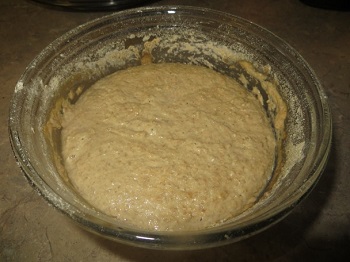
1. Start – It’s all about that start! If the start isn’t right, you’re going to have trouble with the whole thing. For the perfect einkorn sourdough start, go here. It should look like this:
2. Water – This recipe may call for less water than you would think. Remember that einkorn is a very moist grain. Too much water will ruin it. So resist your instinct to overide the recipe in this one thing. Also, make sure the water is as hot as tap water can get. That way it will melt the coconut oil. Plus, adding all the other things will cool it down, and it still needs to be slightly warm for fermentation purposes.
3. Rising – You might be thinking, “I’m sorry, how many times does one batch of bread need to rise?” I know, I know. But, I found that this is the best way. We noticed that the start alone didn’t quite have the strength to raise the entire batch. So, we add half the flour and let it culture for a while (until it looks like a rootbeer float). Then add the remainder of the flour one cup at a time while mixing and it will have the power to rise like it should (double its size).
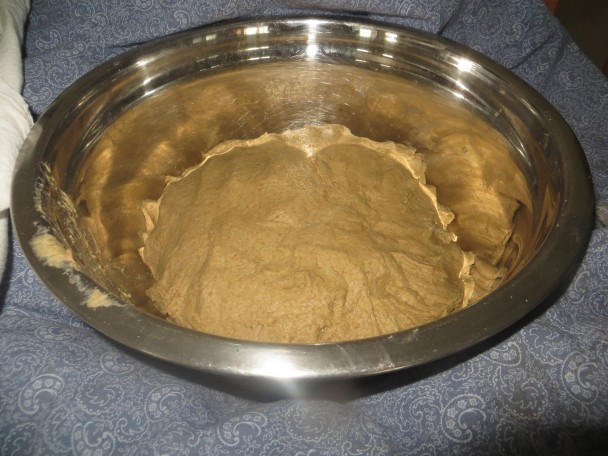
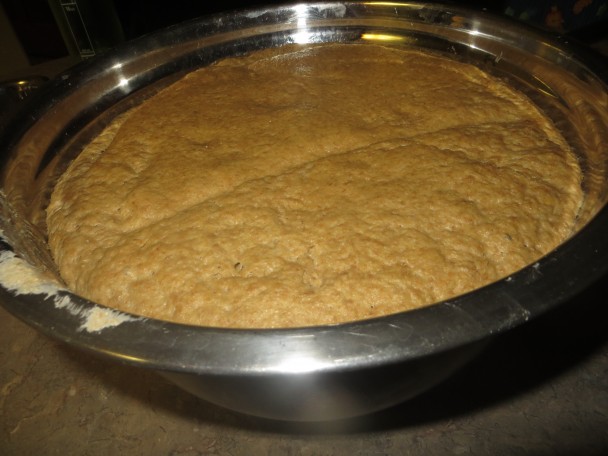
4. Dough – The flour measurement is approximate. Add enough flour so that the dough pulls away from the sides and is soft but not sticky. It’s more important than ever to get the consistency right as soon as possible and STOP. Overkneading einkorn dough is bad news. It will be extremely difficult to get out of the mixing bowl. Also, when the dough has been placed in the bowl to rise, don’t forget to punch it down. That’s more important for fluffy bread than you’d think.
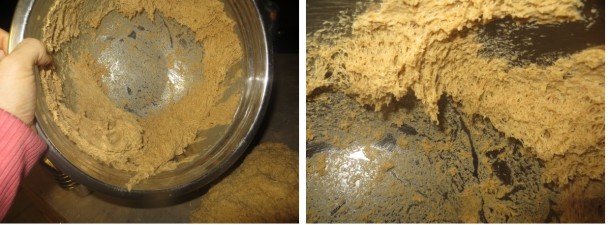
5. Salt – It’s better to add the salt with the second half of flour. Salt kills yeast. It’s ok when the dough is stiff, but it could be a slight hindrance in dough with only half the flour.
6. Loaves – This recipe makes about five loaves. You need to shape them, make three slitd in the top of each, and place in greased loaf pans.They look pretty, but the slits aren’t just for aesthetics. If you fail to make the slit, the bread will make its own and the top crust will separate from the bottom – not as pretty.
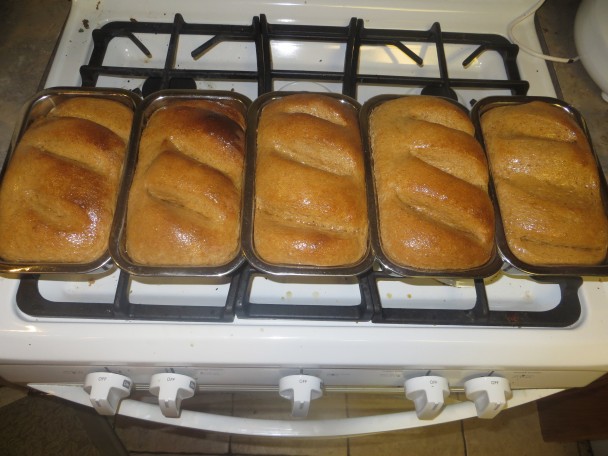
![IMG_1244[1]](https://www.einkorn.com/wp-content/uploads/2015/01/IMG_12441-608x456.jpg)
So, there you are! Experiment, follow these steps, and expect success! It will be so rewarding when you master this. Happy dances are allowed. Deliciousness, digestion-friendly grain and leavening, better nutrient absorption. Is there a downside to this? There isn’t actually.

38 thoughts on “Naturally Leavened (Sourdough) Einkorn Bread Made Easy”
Have you got a more user friendly sourdough einkorn bread recipe yet? I see back in the beginning of 2023 you told someone in the comments that you were working on it. I’d really like to try your recipe!
Hi Nadine, we still don’t have one posted that we’ve created. We do sell a cookbook with a sourdough section and you can find other recipes online.
Does anyone have experience sprouting einkorn berries in the water intended for the bread and then grinding it wet and adding yeast and salt to that mixture , letting it rise and then baking? I’m having a hard time getting a good rise with whole-grain einkorn flour using sourdough. I find that sprouting and drying then grinding is too tedious and I’ve read that Ezikeal Bread uses a method similar to what I described above. I’d like to try
Hi Kit, we haven’t tried that method, but since it has been awhile since your comment (we apologize for the delay), we would love to hear if you have perfected such a method!
I see that you are posting a recipe on the above comment but the recipe doesn’t show where you have an added all of the flower and where you’ve done a third rise.