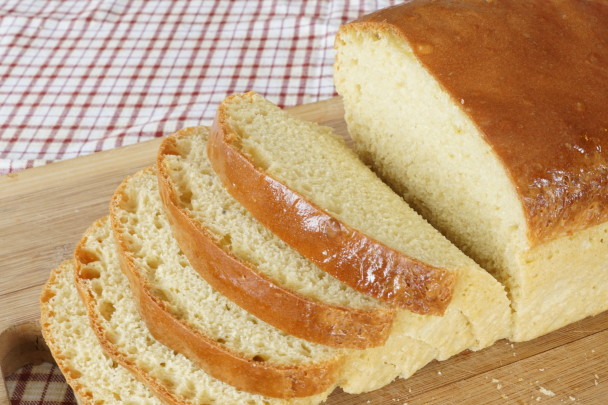
“In the Lord’s Prayer, the first petition is for daily bread. No one can worship God or love his neighbor on an empty stomach.” Woodrow Wilson’s quote accentuates the most basic of human behavior – eating. We’re generally not great at compassion, loving, listening, moving, or thinking when we’re hungry. Try skipping a couple meals. You’ll see. That’s why Snickers says “You’re not you when you’re hungry.”Maslow’s Hierarchy of NeedsPsychologist Abraham Maslow’s hierarchy of needs reiterates this concept. His theory is that humans have to have certain needs met in order to move on to others. The very bottom of his pyramid is physiological needs, and we need to take care of that before we can do much of anything else. So, eating is our most basic need, and bread is the basic of the basic. Almost every society has some kind of bread, and we all do it a little differently. In Spain, they eat a lot of artisan type bread that they buy every day. It’s common in the morning to see men walking with newspapers and warm bread tucked under their arms. The Indians prefer Naan, a flatbread that goes with everything. Mexicans use bread and tortillas made with corn flour as their staple. In the United States, for some weird reason, we like already-sliced, preservative-laden sandwich bread in plastic bags. But however you eat it, most everyone agrees that bread is the basic of a human diet and has been for a long time.Beautiful Loaves Ready to SliceSo, you can’t have too many bread recipes on a grain website. This recipe is unique because it’s made using our new einkorn all-purpose flour. We took a shot in the dark, and it worked amazingly well. It’s a white bread (I feel rebellious just typing that), but retains the digestive benefits of einkorn (shout out to my gluten intolerant friends). It rose perfectly and was soft and delicious. According to Maslow and Wilson, we need this bread to make us better people. Enjoy!
Ingredients
SCALE
12cupEinkorn All Purpose FlourApproximate
1/3cupHoney
1/3cupAvocado Oil
3cupVery hot tap water
1 1/2tablespoonYeast
1 1/2tablespoonReal Salt
Instructions
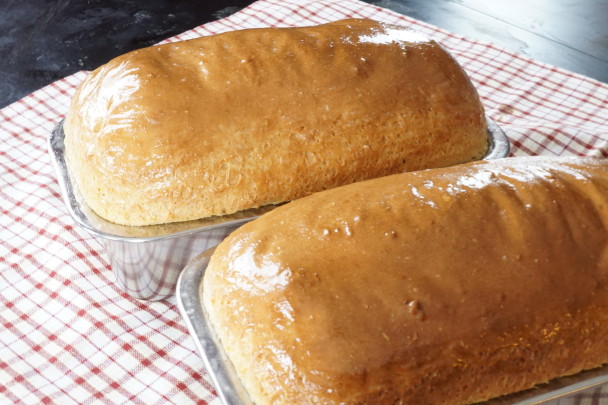
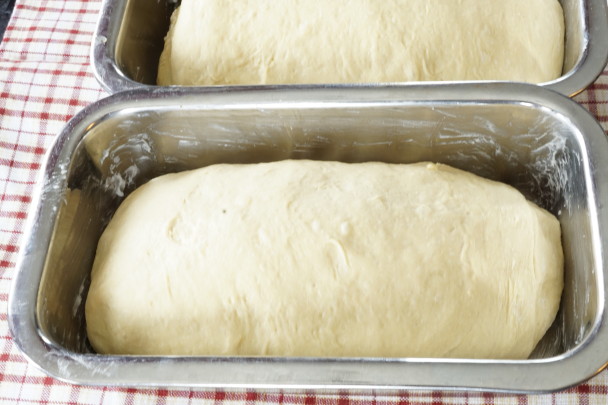
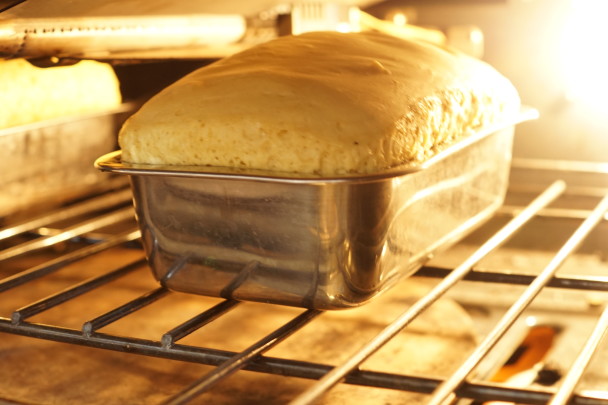
1. Mix oil, honey, water, and 4 cups of einkorn all-purpose flour.2. Add yeast, and 1/2 a cup of flour. Mix.3. Add salt. Add flour a little at a time while mixing. Keep adding flour until it cleans the sides of the bowl (We added about 7 cups).4. Knead in mixer for 10 minutes.5. Let rest in bowl for 20 minutes. If dough is a little sticky, sprinkle about 1/2 cup of flour on top while resting.6. Knead a couple times on floured surface. Shape into loaves (2 or 3 depending on desired size. If you choose to do 2, you will probably have a little dough left over. We made mini cinnamon rolls!).7. Place loaves into greased loaf pans. Place in warm place (we used oven off) and let rise until doubled.Before RisingAfter Rising8. Bake at 350º for 30 minutes. Remove from oven and brush with butter. Let cool a little before slicing.Fresh out of the OvenReady to Eat
RELATED RECIPES
There’s something satisfying about using a single ingredient in so many different ways. Einkorn is incredibly versatile, and the recipes below make it easy to bring this ancient grain into your everyday meals. Here are a few to explore:
Julie Koyle co founded and has been the driving creative force behind Grand Teton Ancient Grains, a regenerative organic family farm and mill nestled at the base of the Grand Teton foothills in eastern Idaho….
Reviews
112 thoughts on “Basic White Einkorn Yeast Bread”
CEO Tim
I recently bought a bag of einkorn flour
We used it for several diferant type of bread as well as donoughts
We replaced. Standard weat or white flour for einkorn
We also replaced the standard bread yeast with chaplain yeast
All of the replies came out perfectly
That being said
My 9 year old
Who is gluten intolerant can now eat her favorite food again !!!!
Thank you! I will try that. So touchy, too long, not long enough. ugh But I gotta get it right because I am not buying regular commercial wheat based products anymore.
Hi Lauri, I get you! The learning curve can be tough, but you’ll get the hang of it. Because of the amount of factors involved, it’s hard to tell a person exactly how to make it work for their kitchen, but the more you play with it, the more you’ll figure out. You’re welcome to ask any questions you may have along the way.
Thank you Jennifer. I have made a lot of loaves – not a single recipe twice – until this one.
I wanted a simple easy to do and remember recipe for sandwich bread. That’s it!
Funny thing is, the first time I made a loaf of this recipe I got the kneading and resting phases mixed up! Bread didn’t care. Came out great except for sinking instead of doming.
Any suggestions?
Hi Lauri, as you probably know, there are a lot of factors in making a loaf of bread. This recipe is how we got it to work in our kitchen. However, where you live may be different. Generally when a loaf of bread sinks, it was left to rise too long. You may have done exactly what the recipe says, but for where you live, the rise time might be better shorter. If it peaks to early it will sink before it’s done baking, so I would start by reducing rise time.
Ted
Apparently, I’ve already subscribed. I also do thefreshloaf.com for einkorn related recipes and jargon. Thank you for what you’re doing.
I just got my first order of Einkorn flour, and was so excited to try it out. When I did, it became obvious that this is quite different from what I am used to!
I have been baking my own bread since the mid-60s, and doing things as I had always done did not work out well. So…questions.
Do you not have to let the bread dough raise twice – I have always kneaded it and let it raise in the bowl, then punch it down, knead a little more, then form loaves in bread pans, and let it rise again. Well, I did this, and the bread rose great in the bowl, but the damp towel over the top of the bowl then stuck to the dough, so it punched itself down when I removed it. When I put it in the bread pans to rise again – it did, but not as much as I was used to, and when I baked it, it kind of sunk instead of making that nice dome. So..it was ugly bread, but it tasted wonderful! Took it for my family Thanksgiving dinner, and none of the loaves made it – they all got eaten beforehand! Have a couple of “gluten-sensitive” folk in the family – had them try it out to see if the bread bothered them. Haven’t heard yet, but everyone loved the taste and the texture, even tho the loaves were not tall as usual.
Looking at your recipe for basic bread – understand the honey, but why the oil? I have never added oil to my bread, and wonder why it is here. Is it necessary? I’d rather leave it out (and did when I made the first batch).
Your instructions just have the bread being mixed and then straight into the bread pans. Your instructions are using a bread mixer – another thing I have never done – mix by hand – knead by hand. So do I skip the ‘raising in the bowl’ part and just put it in pans?
Temperature – you have 350 degrees – and what I have always done is bake 35 minutes at 365.
Willing to adapt how I make bread – but just would like these things clarified – so next time I will have beautiful bread!
Trish, I’m glad that the bread tasted good. There is definitely a learning curve with einkorn and working with it is different. There are a lot of different ways einkorn bread could work and we’re not assuming this is the only way, but our bread has been beautiful using this recipe. Keeping all that in mind, I will answer your questions as best I can.
Einkorn tends to be sticky. This is why there is oil in the recipe. It helps with that. If you don’t mind it without it, that’s fine.
If you’ll look at step 5, it says to leave in the bowl for 20 minutes. That is the “First rising.” We recommend you not let it rise too long in the first rising because then when it gets into loaves it hasn’t exhausted it’s rising power.
You can play around with temperature and time to see what you like the best. This is just what we did that worked well. I hope that helps and you get the hang of it soon! Best of luck!
Thanks for the answers! Helps me a lot to know the ‘why’ behind the ingredients – going to try again, and do it the way you have it….see how it goes…got a bunch of family wanting some for Christmas dinner!!
Just found your great site! I’ve been baking gluten-free for almost five years and want to give this ancient grain a go. We both are somewhat intolerant of gluten or more likely, the Glyphosate (roundup) residue therein – who would know? I understand a lot about “persnickety” dough mixes (batters) and would like a more “gluten-like performing” dough to make my baked goods. I understand that like GF baked goods, two or three days is about it before the staling process kicks in. But I’m sure that like GF goods, placing them into the freezer extends their life considerably.
My question is: When you use the stand mixer for your bread batters, do you use the paddle or the hook attachment?? Thanks.
David, yes, putting goods baked with einkorn flour in the freezer or refrigerator will extend their shelf life. We use a Bosch mixer. I don’t know what kind of mixer you use, but we use wire whisks for thin batters, a dough hook for breads and rolls, and paddles for really thick dough such as cookie dough.

 “In the Lord’s Prayer, the first petition is for daily bread. No one can worship God or love his neighbor on an empty stomach.” Woodrow Wilson’s quote accentuates the most basic of human behavior – eating. We’re generally not great at compassion, loving, listening, moving, or thinking when we’re hungry. Try skipping a couple meals. You’ll see. That’s why Snickers says “You’re not you when you’re hungry.”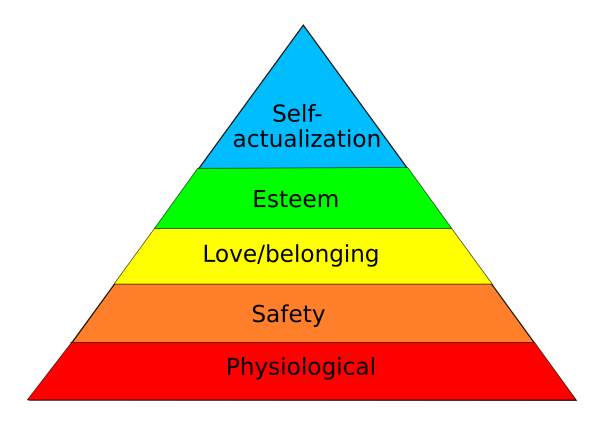



112 thoughts on “Basic White Einkorn Yeast Bread”
I recently bought a bag of einkorn flour
We used it for several diferant type of bread as well as donoughts
We replaced. Standard weat or white flour for einkorn
We also replaced the standard bread yeast with chaplain yeast
All of the replies came out perfectly
That being said
My 9 year old
Who is gluten intolerant can now eat her favorite food again !!!!
1 1/2 Tablespoons salt seems like a lot…is this correct?
Hi Gayle, yes that is correct. This makes up to three loaves. If you’d prefer less, you can salt to your taste.
Would olive oil work in place of the avocado oil?
Hi Jennifer, That would work just fine.
Thank you! I will try that. So touchy, too long, not long enough. ugh But I gotta get it right because I am not buying regular commercial wheat based products anymore.
Hi Lauri, I get you! The learning curve can be tough, but you’ll get the hang of it. Because of the amount of factors involved, it’s hard to tell a person exactly how to make it work for their kitchen, but the more you play with it, the more you’ll figure out. You’re welcome to ask any questions you may have along the way.
Thank you! Love reading the other replies as well. Learning something from everyone.
I do not have a stand mixer so I am doing this by hand. Could you adjust the instructions a little for someone doing the kneading by hand?
Thanks!
Hi Lauri, I would still knead it on the counter for 10 minutes. Then, I would put it in a bowl with a towel over it to let rest for 20 minutes.
Thank you Jennifer. I have made a lot of loaves – not a single recipe twice – until this one.
I wanted a simple easy to do and remember recipe for sandwich bread. That’s it!
Funny thing is, the first time I made a loaf of this recipe I got the kneading and resting phases mixed up! Bread didn’t care. Came out great except for sinking instead of doming.
Any suggestions?
Oh forgot!
Too sticky so I knead it in the bowl with a very stiff rubber spatula.
Worked great!
Made another loaf today. Sunk again. 🙁
Hi Lauri, as you probably know, there are a lot of factors in making a loaf of bread. This recipe is how we got it to work in our kitchen. However, where you live may be different. Generally when a loaf of bread sinks, it was left to rise too long. You may have done exactly what the recipe says, but for where you live, the rise time might be better shorter. If it peaks to early it will sink before it’s done baking, so I would start by reducing rise time.
Apparently, I’ve already subscribed. I also do thefreshloaf.com for einkorn related recipes and jargon. Thank you for what you’re doing.
I just got my first order of Einkorn flour, and was so excited to try it out. When I did, it became obvious that this is quite different from what I am used to!
I have been baking my own bread since the mid-60s, and doing things as I had always done did not work out well. So…questions.
Do you not have to let the bread dough raise twice – I have always kneaded it and let it raise in the bowl, then punch it down, knead a little more, then form loaves in bread pans, and let it rise again. Well, I did this, and the bread rose great in the bowl, but the damp towel over the top of the bowl then stuck to the dough, so it punched itself down when I removed it. When I put it in the bread pans to rise again – it did, but not as much as I was used to, and when I baked it, it kind of sunk instead of making that nice dome. So..it was ugly bread, but it tasted wonderful! Took it for my family Thanksgiving dinner, and none of the loaves made it – they all got eaten beforehand! Have a couple of “gluten-sensitive” folk in the family – had them try it out to see if the bread bothered them. Haven’t heard yet, but everyone loved the taste and the texture, even tho the loaves were not tall as usual.
Looking at your recipe for basic bread – understand the honey, but why the oil? I have never added oil to my bread, and wonder why it is here. Is it necessary? I’d rather leave it out (and did when I made the first batch).
Your instructions just have the bread being mixed and then straight into the bread pans. Your instructions are using a bread mixer – another thing I have never done – mix by hand – knead by hand. So do I skip the ‘raising in the bowl’ part and just put it in pans?
Temperature – you have 350 degrees – and what I have always done is bake 35 minutes at 365.
Willing to adapt how I make bread – but just would like these things clarified – so next time I will have beautiful bread!
Thanks much!
Trish
Trish, I’m glad that the bread tasted good. There is definitely a learning curve with einkorn and working with it is different. There are a lot of different ways einkorn bread could work and we’re not assuming this is the only way, but our bread has been beautiful using this recipe. Keeping all that in mind, I will answer your questions as best I can.
Einkorn tends to be sticky. This is why there is oil in the recipe. It helps with that. If you don’t mind it without it, that’s fine.
If you’ll look at step 5, it says to leave in the bowl for 20 minutes. That is the “First rising.” We recommend you not let it rise too long in the first rising because then when it gets into loaves it hasn’t exhausted it’s rising power.
You can play around with temperature and time to see what you like the best. This is just what we did that worked well. I hope that helps and you get the hang of it soon! Best of luck!
Thanks for the answers! Helps me a lot to know the ‘why’ behind the ingredients – going to try again, and do it the way you have it….see how it goes…got a bunch of family wanting some for Christmas dinner!!
Just found your great site! I’ve been baking gluten-free for almost five years and want to give this ancient grain a go. We both are somewhat intolerant of gluten or more likely, the Glyphosate (roundup) residue therein – who would know? I understand a lot about “persnickety” dough mixes (batters) and would like a more “gluten-like performing” dough to make my baked goods. I understand that like GF baked goods, two or three days is about it before the staling process kicks in. But I’m sure that like GF goods, placing them into the freezer extends their life considerably.
My question is: When you use the stand mixer for your bread batters, do you use the paddle or the hook attachment?? Thanks.
David, yes, putting goods baked with einkorn flour in the freezer or refrigerator will extend their shelf life. We use a Bosch mixer. I don’t know what kind of mixer you use, but we use wire whisks for thin batters, a dough hook for breads and rolls, and paddles for really thick dough such as cookie dough.